
Imagine you bought USDT through a P2P merchant in March, sent some to a client wallet in June, swapped part of it to another token in August, and cashed out to your GTBank account in October. Now a bank asks where the money came from, or a tax officer asks about your gains. Can you answer in ten minutes? If not, you need a record system, and building one takes less than an hour a month.
This guide doesn't tell you what you owe. Nigeria's crypto and tax rules have changed several times, and I don't have an official source in front of me that states today's tax treatment. What I can show you is how to keep records so that, whatever the rule is, you can answer questions quickly and accurately.
Why records matter even if you never pay a kobo in crypto tax
Records protect you in four situations:
- Tax questions. Whether gains are taxable, and how, depends on the law in force. Check the current position with the Federal Inland Revenue Service or the relevant state revenue authority, or with a licensed tax adviser.
- Bank questions. Banks and fintechs can ask about the source of large or unusual inflows. A clean trail shows the money came from a sale you can document.
- Disputes. If a P2P counterparty claims you didn't pay, or a transfer goes to the wrong network, your timestamps and hashes matter.
- Your own sanity. Without records, you can't tell whether you are up or down.
What regulators say, and what to verify
The Securities and Exchange Commission's homepage currently says the President has assented to the Investments and Securities Bill 2025, which repeals the Investments and Securities Act No. 29 of 2007 (sec.gov.ng). That is the only regulatory fact I'm drawing from official material here. The page doesn't say what it means for your personal crypto tax or reporting. Read the SEC's own guidance for investors and check with a tax professional before assuming anything.
The five things to record for every transaction
For each buy, sell, swap, transfer or payment, capture:
- Date and time (note your time zone if the exchange uses UTC).
- What you gave and what you got, with quantities. Example: 500,000 naira out, 320 USDT in.
- The naira value at that moment, and where you got that value (your actual deal rate is best because it's real).
- Fees: exchange fee, network fee, P2P spread if you can tell.
- Proof: screenshot of the order, bank alert, transaction hash, counterparty username or order number.
Step-by-step: set up the system today
1. Make one master spreadsheet
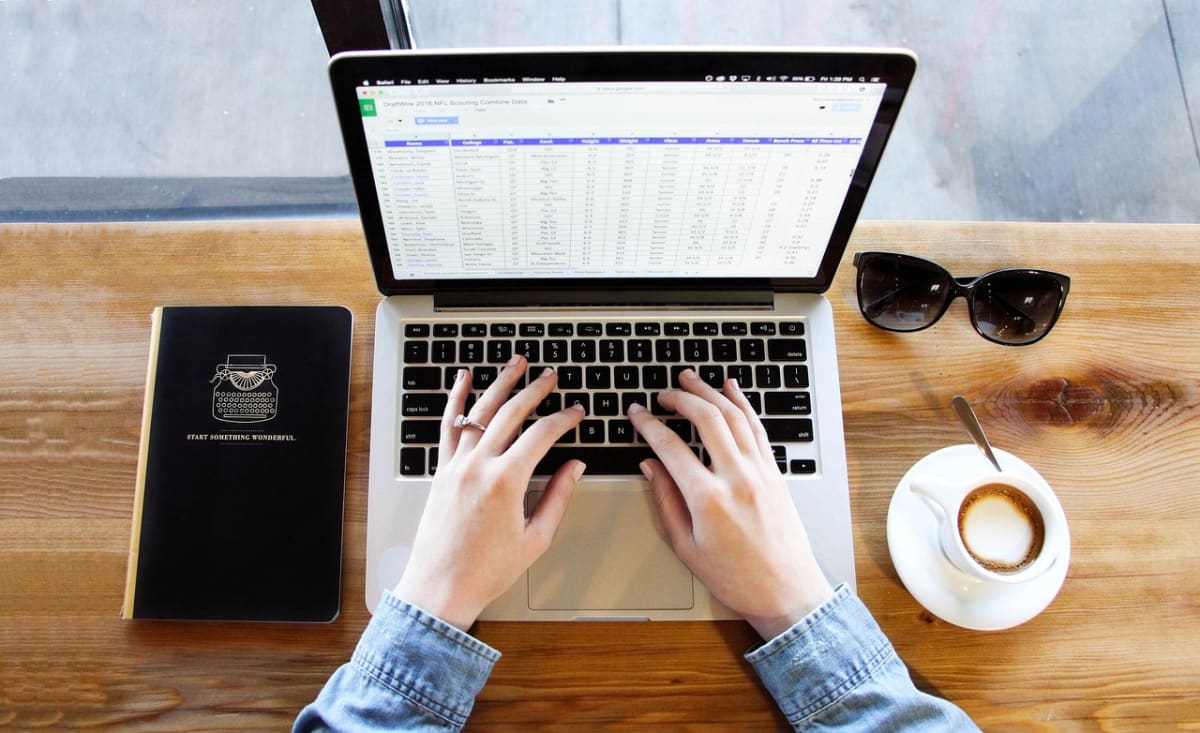
Use Google Sheets or Excel. Columns: Date, Platform/Wallet, Type (buy, sell, swap, send, receive, income), Asset, Quantity, Naira value, Fee, Counterparty, Hash or order ID, Proof file name, Notes.
2. Create a folder structure
One folder per year, one subfolder per platform. Save screenshots and PDF statements with names like 2026-10-14_binanceP2P_sell_USDT320.png. Back up to cloud storage and one flash drive, because phones get stolen and power cuts can kill drives.
3. Export statements monthly
Most exchanges let you download trade and transaction history as CSV. Do it on a fixed day, such as the first Sunday. Don't wait until year end; some platforms limit how far back exports go, and some shut down.
4. List every wallet you control
Write down public addresses only, never seed phrases. If you move coins between your own wallets, mark those entries "own transfer" so they aren't mistaken for sales. For safe wallet habits, see our guide to choosing and securing a crypto wallet.
5. Match crypto to bank records
Every naira that entered your account from a P2P sale should match a row in your sheet. Add the bank narration. If a stranger sent money from a third-party account, flag it, since that is a known risk covered in our P2P safety guide.
A worked example (hypothetical)
Ada, a freelance designer, receives 200 USDT from a client in June. Her sheet:
| Date | Type | Asset/Qty | Naira value | Fee | Proof |
|---|---|---|---|---|---|
| 10 Jun | Receive (income) | 200 USDT | ₦300,000 (at ₦1,500 assumed rate) | 1 USDT network | Invoice, hash |
| 2 Aug | Sell P2P | 100 USDT | ₦155,000 received | 0 | Order ID, bank alert |
| 20 Sep | Sell P2P | 99 USDT | ₦148,500 received | 0 | Order ID, bank alert |
The numbers are made up. The point: income was valued when received (₦300,000), and the two sales show what she actually got (₦303,500). The gap between those figures is the kind of thing a tax adviser will want to see, and Ada can show it in one glance. If she'd only had bank alerts, she'd struggle to explain the ₦300,000 starting value.
Special cases
- Freelancers paid in crypto: record the invoice, the client, and the value when received. Also read our note on receiving dollar payments.
- Traders with many small trades: use the exchange's CSV exports and keep the sheet as a summary; a tax tool or accountant can process the raw files.
- Stablecoin holders: a swap from one coin to another is still a transaction. Log it. See stablecoins and naira income for the risks of holding them.
- Readers in Ghana, Kenya, South Africa: rules and reporting differ by country. South Africa and Kenya have their own revenue authorities; check theirs, not Nigeria's.
Common mistakes
- Relying only on the exchange app, then losing access when the account is frozen or the platform closes.
- Forgetting network fees and treating them as free.
- Mixing personal and business wallets. Use separate ones if you earn through crypto.
- Deleting P2P chats after a trade. Keep them with the order record.
- Storing seed phrases in the spreadsheet. Never do this.
- Using unknown "tax software" that asks for your private keys. No legitimate tool needs them.
Frequently asked questions
Do I have to declare crypto in Nigeria?
I can't confirm the current rule from the official material I have. Ask the tax authority that covers you or a licensed tax adviser, and bring your records.
How long should I keep records?
Ask your adviser for the required period. As a practical habit, keep them for several years and don't delete anything while a query is open.
Can I reconstruct records I didn't keep?
Partly. Download exchange histories, look up wallet addresses on a public block explorer, and match them with bank statements. Start now and note any gaps honestly.
Is a spreadsheet enough?
For most individuals, yes. Heavy traders may need an accountant.
Your next step
Today, open a spreadsheet, add the columns above, and enter your last five transactions with screenshots. Then set a monthly reminder to export statements.
Sources
Details checked against the official sources above on 18 October 2026. Things change, so confirm on the official site before you act.
This article is for general information only and is not financial, legal, or tax advice. Prices, rates and rules change quickly, so check current details before making money decisions.