
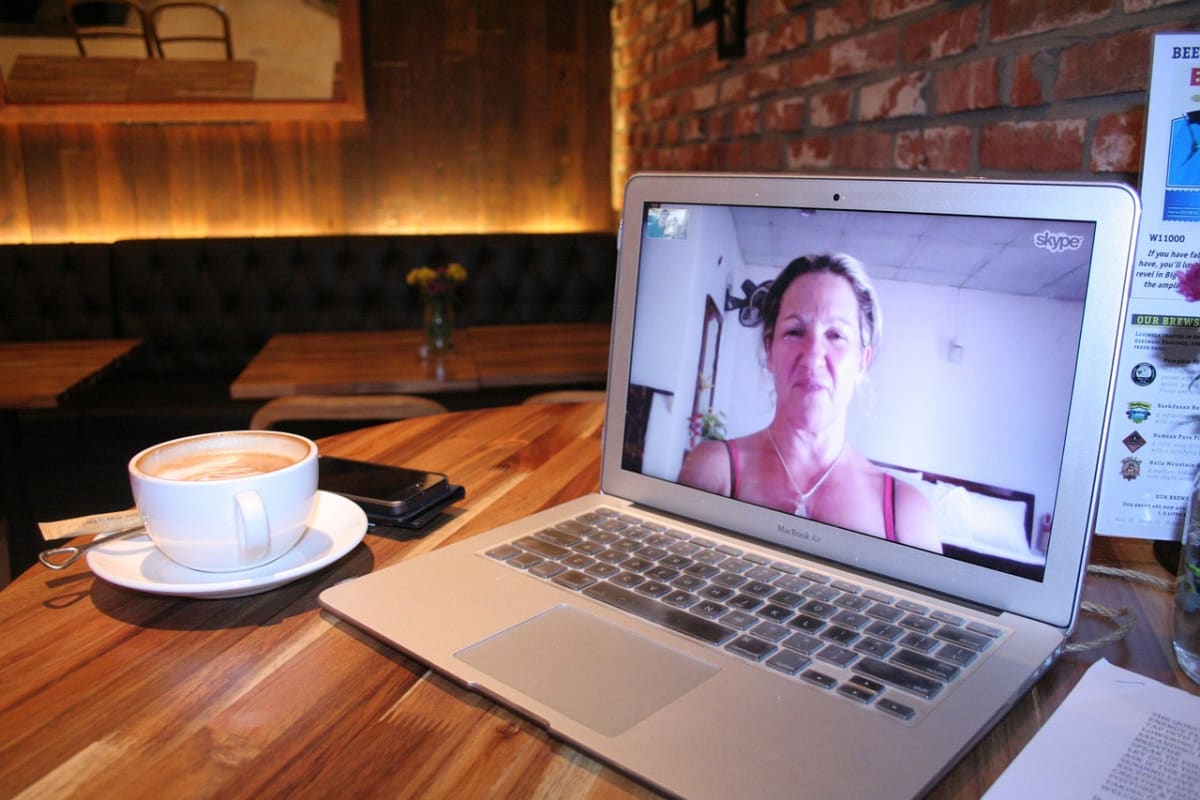
A foreign client has replied to your proposal and wants a 20-minute call. Your stomach drops. Your accent, your power supply and your fear of saying the wrong price all flash through your mind at once. Good news: a discovery call is not an exam. It is a short, structured conversation where you find out whether the job is real, whether you can do it, and whether the client will pay properly.
This guide walks you through preparing, running and following up on that first call, with a script you can adapt to your own skill.
What a discovery call is for
The client wants to know if you are competent and easy to work with. You want to know if the project is clear, the budget is realistic and the person is legitimate. Both sides are interviewing each other.
Beginners often treat the call as a pitch and talk for fifteen minutes about themselves. Strong freelancers do the opposite. They ask good questions, listen, then say how they would solve the problem. The client who feels understood usually hires the person who understood them.
Before the call: preparation checklist
- Confirm the details in writing. Reply with the date, time and time zone, and write both your local time and theirs. Nigeria is on West Africa Time, and many clients forget this. Check the time zone with a converter rather than guessing.
- Check the platform. Zoom, Google Meet or Microsoft Teams are common. Be wary if someone insists on an unknown download or wants to move you to a chat app immediately. Read our guide on verifying a foreign client before the call.
- Research them for 15 minutes. Read their website, recent posts, products and any job description. Note one specific thing you noticed, such as a weak product page or an inconsistent newsletter.
- Re-read your proposal. You will be asked about things you wrote. Our post on writing proposals that get replies helps if yours was rushed.
- Prepare 6 to 8 questions (see below) and a notepad.
- Sort your power and data. Charge the laptop and phone, top up data, and have a backup hotspot. Our plan for unstable power and internet covers this in detail.
Set up your space
You do not need a studio. Sit facing a window or lamp so your face is lit, use earphones with a microphone to cut echo, and close everything else on your laptop. Switch your phone to silent. If generator noise is likely, tell the client at the start that you may need to mute briefly.
The structure of a 20 to 30 minute call
| Minutes | What happens | Your goal |
|---|---|---|
| 0-3 | Greeting and small talk | Be warm, confirm how long they have |
| 3-15 | Questions about the project | Understand goals, scope, budget, timeline |
| 15-22 | Your approach and relevant experience | Show you can solve their problem |
| 22-28 | Next steps, price and payment | Agree what happens next and when |
Opening
Start with something like: "Thanks for making time. I've looked at your site and have a few questions about the project. Is it okay if I start there, and then I'll share how I'd approach it?" That sets the agenda and shows you are organised.
Questions to ask the client
Pick the ones that fit your skill. Write the answers down.
- What result do you want from this project? How will you know it worked?
- Who is it for, and what has been tried before?
- What exactly is included, and what is not? How many revisions do you expect?
- Who gives final approval? Is it only you, or does a team review it?
- What is your deadline, and is it fixed or flexible?
- Do you have a budget in mind?
- Is this one project or ongoing work?
- How do you usually pay contractors, and how soon after approval?
The budget question feels awkward, but it saves hours. If the client says "what are your rates?" you can answer with a range tied to scope: "It depends on scope. For something like this, I'd normally quote after seeing the brief, but it helps to know whether you're thinking of a small test or a longer project." If you are unsure how to price, read how to price your freelance services in dollars, though check that page exists in the blog list before relying on it; our core pricing advice is below.
How to talk about your experience when you are new
Do not apologise for being a beginner and do not pretend to be an expert. Use this pattern: the problem, what you did, the result you can honestly show.
Example (hypothetical): "I haven't worked with a company your size, but I wrote three sample product pages for a made-up skincare brand, and I can show you how I structured them. For your store I'd start with your best-selling items." This is honest, specific and points to evidence. If you need samples, see what to show in a remote work portfolio.
Handling your accent
Speak a little slower than normal, pause after key points and repeat numbers and dates. If you miss something, say "Could you repeat that last part?" Clients respect that far more than a wrong guess. Writing a short summary afterward fixes any gaps.
Talking about price and payment
You do not have to give a final number on the call. It is perfectly professional to say, "Let me put together a proposal with scope and price and send it by tomorrow." This gives you time to calculate.
Worked example (hypothetical): a client wants four blog posts. You estimate 5 hours per post including research and editing, so 20 hours. If your target hourly rate is $12, the quote is $240 for the batch, plus a clause for one round of revisions. Say your target rate is a number you chose after considering your costs, not something copied from a stranger. Mention that extra rounds are billed separately.
Before you finish the call, raise payment terms: deposit, milestones and how you will receive money. Our posts on getting paid safely with milestones and escrow and setting up a contract and invoice cover this in depth.
Red flags to listen for
- They ask you to pay for software, training or a "registration fee" before work. See how to spot fake freelance offers.
- They want free "test" work that is actually the real project.
- The scope is vague but the pay promised is unusually high.
- They offer to send you a cheque and ask you to forward part of it.
- They refuse a contract, invoice or any written agreement.
- They avoid turning on video, cannot name their company or push you to leave the platform immediately.
- They pressure you to decide on the call.
One red flag does not always mean a scam, but it means you slow down and ask more questions.
Common mistakes
- Talking too much. Aim to listen for more than half the call.
- Quoting on the spot. You will usually undercharge. Take a day.
- Not taking notes. You will forget details that matter in the proposal.
- Saying yes to everything. Agree only to what you can deliver; say "I'll confirm after checking my schedule."
- No follow-up. Many freelancers lose work by going silent after the call.
After the call: the follow-up email
Within a few hours, send a short summary. For example:
Hi [Name], thanks for speaking today. To confirm: you need [deliverable] by [date], for [audience], with [number] revisions. I'll send a proposal with scope and price by [day]. If I've missed anything, please let me know.
This acts as a first written record of what was agreed, which helps if there is a dispute later. Then send the proposal on the day you promised. If you hear nothing for a few days, one polite nudge is enough.
Practice before the real thing
Record yourself answering "Tell me about your work" in 60 seconds. Watch it once and trim anything vague. Then do a practice call with a friend who plays a client and gives you an unclear brief. Two or three rounds usually remove most of the nerves.
Frequently asked questions
What if my network drops during the call?
Rejoin quickly, and if you cannot, send a short message explaining and offering another time. Having a hotspot ready makes this rare.
Should I turn my camera on?
Yes, unless the client says otherwise. It builds trust, and it also helps you judge whether the client is genuine.
Is it okay to say I need time to think?
Yes. Serious clients expect it. Give a specific time when you will reply.
Can I record the call?
Ask permission first. Some places have legal rules about recording, so do not record secretly. Written notes plus a follow-up email are usually enough.
What if the client wants to start immediately?
Agree terms in writing first, including a deposit or milestone payment. Eagerness without paperwork is a reason to be careful, not to rush.
Next step: write your eight questions in a notes file today, and use them in your next call or practice session.
Results from any side hustle or online work vary widely, and nothing here is a promise of income. Be wary of anyone who asks you to pay upfront to start earning.