
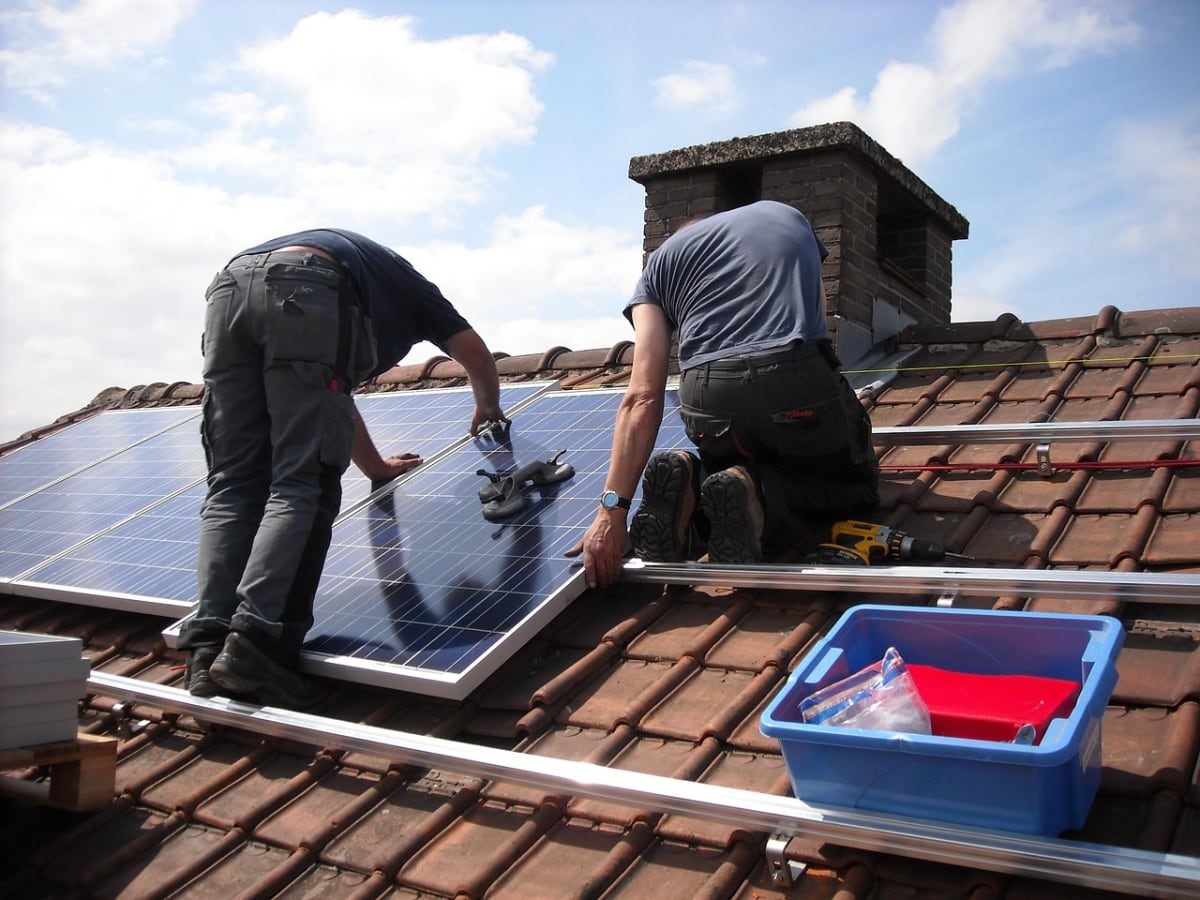
A customer in your area is tired of buying fuel for a generator. They want lights, a fan, a television and a fridge running on solar. If you can size that system correctly, install it safely and be reachable when it trips at night, you have the beginning of a business. If you can't, you will have an angry customer and a damaged name.
Solar installation is attractive because power problems are constant across Nigeria, and similar demand exists in Ghana, Kenya and South Africa. It is also a trade where mistakes cause fires, electric shocks and falls. This guide covers the skills, tools, registration, a hypothetical worked example, and the reasons these businesses fail.
What you would actually be selling
Most small installers sell one of three things. You can mix them, but start with one.
- Installation labour only. The customer or a supplier provides the equipment and you fit it. Lowest capital, but you carry blame for equipment you didn't choose.
- Supply and install. You design the system, buy the equipment, install and give a warranty on your work. Higher margin, much higher capital and risk.
- Maintenance and repair. Cleaning panels, replacing batteries, fixing inverter faults and wiring. This is steady work and a good way to learn before you take on big jobs.
If you have no capital, labour-only or maintenance work is the sensible entry. Supply and install suits someone who already has an electrical background and some savings they can afford to tie up.
Skills you need before taking a paid job
You can't learn this from videos alone. Aim to work under an experienced installer for a few months first.
- Basic electricity. Voltage, current, power, DC versus AC, series versus parallel connections.
- Load calculation. Listing every appliance, its wattage and daily hours of use, to know what the system must supply.
- System components. Panels, inverter, charge controller (sometimes built into the inverter), batteries, cables, breakers and fuses, and earthing.
- Battery types. Lead-acid and lithium behave differently in cost, lifespan, depth of discharge and safety. Know what you are recommending and why.
- Working at height. Roof work is where many injuries happen.
- Customer communication. Explaining plainly what the system can and cannot run.
Look for training from technical colleges, equipment manufacturers' installer courses, or an apprenticeship with a registered installer. Ask what certificate you get and whether anyone in your area recognises it.
Basic tools and safety gear
- Digital multimeter and a clamp meter
- Crimping tool for cable lugs, cable cutters and strippers
- Drill, screwdrivers, spanners, spirit level, measuring tape
- Ladder rated for the job, safety harness, insulated gloves, safety shoes, eye protection
- Proper DC-rated fuses and breakers, not ordinary household ones used by guesswork
Don't treat safety gear as optional spending. A fall or a battery short circuit can cost more than your whole year's earnings.
A hypothetical worked example
This is an invented example to show how to think, not a price list. Equipment and labour costs change often and differ by city, so get current written quotes from at least three suppliers before you plan.
Assumptions: a customer has four LED bulbs, two fans, a television, a phone charger and a small fridge. You list the loads and estimate total daily energy use. Say the calculation shows the system needs a particular inverter size, a certain battery bank and a number of panels. Let's call the total equipment bill ₦X from your supplier quotes.
- Add up equipment quotes: panels, inverter, batteries, mounting frames, cables, breakers, earthing.
- Add transport and a buffer for items you forgot, for example 10% of the equipment cost.
- Add your labour, based on days of work times a fair day rate, plus any helper.
- Add a warranty reserve, money set aside for return visits.
- Add your margin on the equipment, and your profit.
The mistake beginners make is quoting ₦X plus a small labour fee, then discovering the cable run was longer than expected, the supplier changed price before purchase, and two return visits ate the margin. Put the quote validity period (for example seven days) in writing, because equipment prices can move. Our guide on pricing your products for profit explains how to build in costs you tend to forget.
Never promise a customer "no more fuel" or a fixed monthly saving. Tell them what the system is designed to run, for roughly how long, and what happens on cloudy days.
Registration, permits and rules in general terms
Register your business so you can sign contracts, open a business bank account and deal with larger clients. In Nigeria, the Corporate Affairs Commission (CAC) is the corporate registry that handles registration of companies and business names. Its site says registration gives legal recognition, lets you open corporate bank accounts and sign official contracts, and makes your business verifiable to clients. You can start at cac.gov.ng, and our post on registering a business name with CAC may help.
Beyond registration, rules about electrical work, importing equipment, and quality standards can apply. They differ by country and sometimes by state or city, and they change. Check with:
- Your national electricity or energy regulator, about whether installers need licences or whether larger systems need approval
- Your local government and estate or landlord rules, about roof work and installations
- Standards bodies in your country, about equipment quality marks
- A tax adviser or the tax authority, about what taxes apply to your business
I haven't listed specific licence names or fees here, because I can't verify current ones. Ask the regulator directly, and get answers in writing where possible.
Where to buy equipment, and how to avoid fakes
Fake or substandard batteries and inverters are a real hazard in any market where demand is high. Reduce the risk:
- Buy from established dealers who give receipts and a written warranty address.
- Check labels, serial numbers and specifications on the item against the manufacturer's own website.
- Be suspicious of prices far below every other quote.
- Test panels and batteries with a multimeter at delivery, before you install.
- Keep invoices so you can claim warranty for your customer.
For online sellers and social media dealers, don't pay in full before seeing the goods or confirming the business exists. The same caution applies as in our post on getting paid safely, only reversed: you are now the buyer.
Why solar installers fail
- Underquoting. Prices rise between quote and purchase, and the installer absorbs it.
- Undersized systems. The customer adds a freezer or air conditioner later and blames you.
- Cheap batteries. They die early, and the customer calls you, not the seller.
- Poor wiring and earthing. Leads to tripped systems, damage and fires.
- Cash tied up in stock. Equipment bought before orders sits unsold, or its price drops.
- No after-sales plan. Word of mouth is your main marketing, and one bad job spreads fast.
- Taking jobs beyond your skill. A large commercial system is not a bigger version of a home setup.
Our post on why small businesses fail covers the general warning signs. Nothing here promises profit; many installers earn little in their first year.
A sensible way to start
- Work as an assistant to an experienced installer for several months and learn how they quote and handle faults.
- Take a recognised short course and keep your certificate.
- Start with small jobs: lighting, inverter repairs, panel cleaning, small home systems.
- Use a written agreement stating what the system will run, warranty terms, payment schedule and what is excluded.
- Take a deposit that covers equipment, with the balance after testing and handover.
- Photograph every installation and keep a record of the load list and wiring.
- Register the business once you have regular customers, and track income and costs in a simple notebook or app.
For finding early customers, see getting your first 20 customers.
Frequently asked questions
Do I need an engineering degree?
Not necessarily, but you need real electrical training and supervised practice. A degree helps with larger projects and credibility, though many good installers learn through technical training and apprenticeship.
Can I start with very little money?
Yes, with labour-only work, repairs and maintenance. You will still need basic tools and safety gear, so get current local quotes for those first.
Should I offer a warranty?
Yes, on your workmanship, in writing, with a clear period and what it covers. Equipment warranty usually comes from the manufacturer or dealer, so say so plainly.
Is it safe to work alone?
Roof and battery work is safer with a second person. Always isolate power before touching connections and never work on wet surfaces.
Next step: this week, find one experienced installer in your area and ask whether you can help on a job. Watch how they list loads and write quotes, and copy the method before you price your own first job.
Sources
Details checked against the official sources above on 25 October 2026. Things change, so confirm on the official site before you act.
This article is for general information only and is not financial, legal, or tax advice. Prices, rates and rules change quickly, so check current details before making money decisions.