
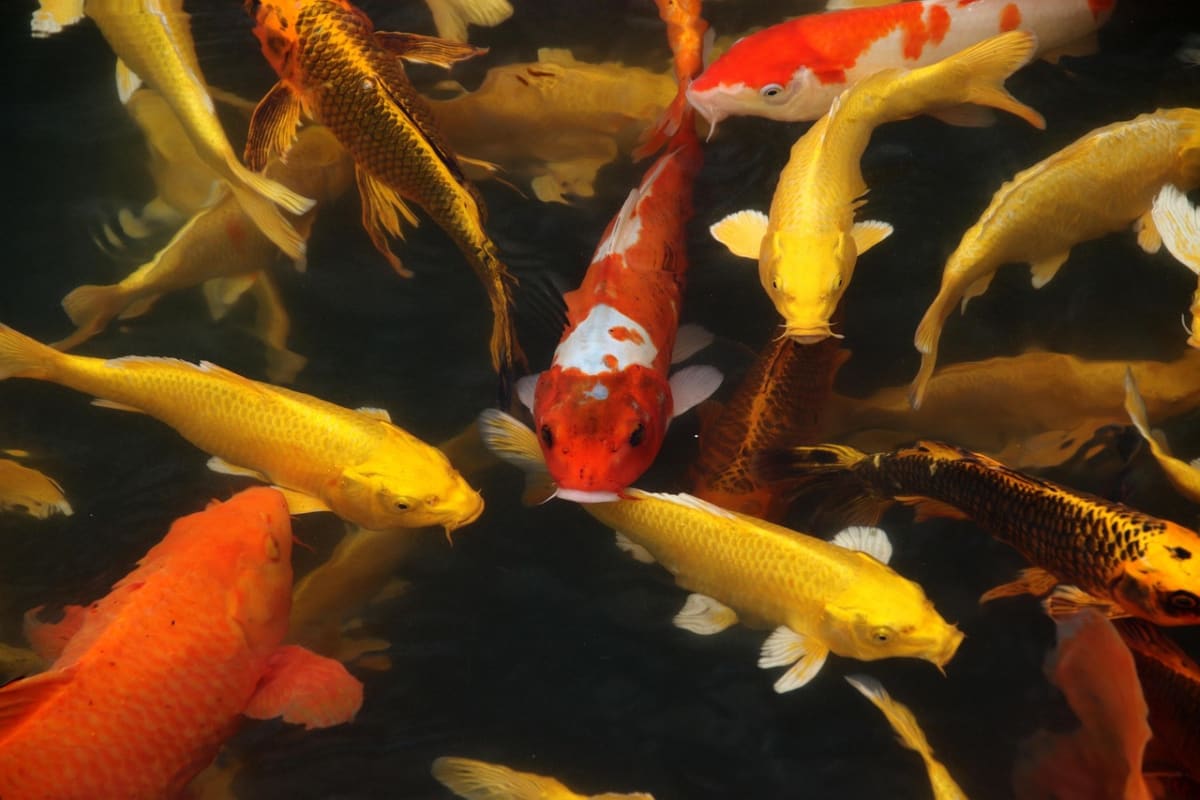
A fish farm can look simple from the road: a few ponds, some water, fish that grow. The reality is that most of your money goes into feed and water management, and one bad week of power, flooding or poor water quality can wipe out months of work. This guide walks you through how to plan a small catfish or tilapia farm before you spend anything.
No prices are quoted here on purpose. Feed, fingerlings, pond materials and pumps change often and differ by state and country. Use the hypothetical example below as a template, then replace every number with current quotes from suppliers near you.
Pick your fish and your market first
Do not dig a pond until you know who will buy the fish and in what form. In Nigeria, catfish (including Clarias) is the most common farmed fish because it tolerates crowded, low-oxygen water better than most. Tilapia is popular in Ghana and parts of East Africa, but it usually needs better water management and has different market demand.
- Live or fresh fish to restaurants, canteens and event caterers: steady repeat orders, but they want consistent sizes.
- Market women and traders: they buy in volume and negotiate hard on price.
- Smoked fish: adds value and shelf life, but needs a smoking kiln and fuel.
- Fingerling or juvenile sales: a different business that needs hatchery skills. Avoid it at the start.
Visit three buyers and ask what size they want, how often they buy, how they pay and what they paid last month. Write the answers down. This is your demand check.
Choose a pond type that fits your site and budget
| System | Good for | Main risks |
|---|---|---|
| Earthen pond | Larger sites with clay soil and a reliable water source | Leaks, flooding, predators, slower harvesting, harder disease control |
| Concrete pond | Long-term sites you own | Higher setup cost, needs curing before use, cracks |
| Tarpaulin or plastic-lined pond | Beginners and small plots, including rented land | Liner tears, heat, short lifespan if poorly installed |
| Tanks (plastic or fibreglass) | Urban backyards, tight space | Water quality drops quickly; needs frequent water change or recirculation |
| Recirculating system (RAS) | Experienced farmers with steady power | Pumps and aeration fail without electricity; expensive to fix mistakes |
If you are new, start small with tanks or a few tarpaulin ponds. You learn feeding, sorting and water change on a size you can afford to lose. Scale only after one full cycle.
Water: the part beginners underestimate
Fish live in their own waste. As feed goes in, ammonia builds up, oxygen falls and the fish get stressed and sick. Your water source decides how hard this is.
- Test the source before building. Borehole, stream, well and tap water behave differently. Borehole water often has low oxygen and may be acidic or high in iron. Ask a fisheries extension officer or a university agriculture department where to get it tested.
- Plan for water change. Many small catfish farms change part of the water regularly. You need a drain, a place for the dirty water to go, and a refill supply.
- Think about power. A pump is useless without electricity or fuel. Budget for a backup, such as a solar pump set or generator fuel, and know how long your fish can survive without aeration at your stocking density.
- Watch the weather. Heavy rain can flood earthen ponds and let fish escape. Hot, still days lower oxygen.
A basic water test kit (pH, ammonia) is a cheap safeguard compared with the value of the fish. Check daily at first and keep a log.
Stocking: fingerlings decide your whole cycle
Buy from a hatchery with a good reputation, not from whoever sends the cheapest WhatsApp price list. Poor fingerlings grow unevenly, die early and carry disease into your pond. Ask to see the holding tanks, ask the age and size of the fish, and ask for a mortality guarantee in writing if they offer one.
Catfish grow at different rates, and bigger ones eat smaller ones. Plan to sort by size during the cycle. Do not overstock. Putting in more fish than your water and aeration can support is the quickest route to a mass die-off.
Ask the hatchery or your local fisheries officer for a sensible stocking density for your system. It varies a lot between earthen ponds, tanks and recirculating setups.
Feed: your biggest running cost
In most fish farms, feed is the largest expense by far. That makes feed conversion (how much feed it takes to put on a kilogram of fish) the number that decides your margin.
- Use feed sized for the fish stage. Floating pellets let you see how much they eat; uneaten feed pollutes the water.
- Feed measured amounts, usually split across the day. Overfeeding wastes money and kills water quality.
- Buy from reputable dealers and check dates and storage. Mouldy or old feed harms fish.
- Record every bag. If you cannot tell how much feed went into each pond, you cannot know whether you made money.
Feed prices can rise during a cycle, so do not assume the price at stocking is the price at harvest. Build a buffer into your plan.
A hypothetical worked example
This example uses made-up numbers purely to show the method. Replace them with real quotes.
Assumptions: you stock 1,000 catfish fingerlings in tanks. Assume 10% die before harvest, so 900 reach market. Assume each averages 1 kg. Assume you sell at a price of ₦X per kg. Assume feed conversion of 1.5, meaning 1.5 kg feed per 1 kg fish gained (ignore the fingerling's starting weight to keep it simple).
- Fish to sell: 900 kg.
- Feed needed: 900 × 1.5 = 1,350 kg. Multiply by the current price per kg of feed to get feed cost.
- Revenue: 900 × ₦X.
- Add: fingerlings, electricity or fuel, water, labour, transport, medication, rent, and a loss allowance.
- Profit (or loss) = revenue minus all of the above.
Now stress test it. What if 25% die instead of 10%? What if the selling price falls by 15%? What if feed rises by 20%? If the plan only works when everything goes right, it is too thin. Run the sums in a spreadsheet or the notebook method in our phone bookkeeping guide.
Disease, biosecurity and mortality
Sick fish often show it by gasping at the surface, swimming oddly, refusing feed, or showing sores or discoloured skin. By the time you see it, many may already be infected.
- Keep new fish quarantined before mixing them with others.
- Wash hands, nets and buckets between ponds; do not share equipment with other farms without cleaning it.
- Remove dead fish immediately and dispose of them away from the water source.
- Keep birds, snakes and visitors away from ponds.
- Do not guess with drugs. Call a veterinarian or fisheries extension officer. Misused antibiotics waste money and can create resistance.
Registration, permits and rules
Requirements differ by country and state, so check before you build. In general, you may need to think about:
- Business registration: a registered business name or company makes it easier to open a business bank account, sell to bigger buyers and apply for support. In Nigeria that is done through the Corporate Affairs Commission; see our small business failure guide for why paperwork and records matter.
- Land rights: get a written agreement if you lease. Do not build permanent ponds on land you have no documents for.
- Water and environment rules: some local authorities regulate borehole use and wastewater discharge. Ask your local government or state ministry of agriculture.
- Food safety: if you process or smoke fish for sale, health and food regulators may apply.
Ask your state ministry of agriculture or a fisheries department about training programmes, associations and any support schemes. Check each directly rather than trusting social media posts about "grants".
Why fish farms fail
- No market lined up. The fish reach size and the farmer has no buyer, so feed costs keep running.
- Power or pump failure. Fish die overnight with no aeration or water change.
- Overstocking. Too many fish for the water.
- Poor fingerlings. Bought cheap, died or grew unevenly.
- Underpriced feed budget. Costs rose mid-cycle and wiped out the margin.
- Theft and poor security. Fish are easy to steal at harvest time.
- Training scams. Some paid "farm consultants" and "investment" schemes promise guaranteed returns on fish ponds. Treat guaranteed returns as a warning sign. Never hand over money to someone who promises profit without letting you see the farm and the books.
Also read why small businesses fail and how to price for profit before committing money.
A starter checklist
- Visit at least two working fish farms and ask what went wrong in their first cycle.
- Get written quotes for feed, fingerlings, tanks or liners, pumps and power backup.
- Test your water source.
- Line up at least two buyers before stocking.
- Run the worked example with your real numbers and three bad scenarios.
- Start small, keep daily records, and sell the first batch before expanding.
Frequently asked questions
Can I start fish farming in a city backyard?
Often yes, using tanks or small lined ponds, but check local rules, neighbours' tolerance of smell and noise, and drainage for dirty water.
How long does a catfish cycle take?
It depends on the market size you target, feed quality and water conditions. Ask hatcheries and local farmers for realistic timelines in your area rather than relying on adverts.
Is fish farming profitable?
It can be, but no one can promise it. Results depend on feed cost, mortality, selling price and how well you manage water. Your own records after a small first cycle will tell you more than any brochure.
Do I need training?
Yes. Short courses from agricultural colleges, extension services or experienced farms are worth it. Check that the trainer actually runs a working farm.
Your next step
This week, visit one working fish farm and one hatchery, ask for current quotes, and fill the worked example with your own numbers. If the sums only work in a perfect cycle, shrink the plan or wait.
This article is for general information only and is not financial, legal, or tax advice. Prices, rates and rules change quickly, so check current details before making money decisions.